

 English

PV Connectors
- Plastic Corrugated Pipe
- Plastic Corrugated Tube Connector
- Plastic Cable Connector
- Brass Nickel-Plated Cable Connector
- Stainless Steel Cable Connectors
- Circular Suction Electromagnet
- Square Suction Electromagnet
- Push-Pull Electromagnet
- Annular Suction Electromagnet
- Traction Electromagnet
- PV Connectors
- Cable Connectors
- Compact Junction Boxes with Cable Glands
- Sealed Plastic Enclosure Junction Boxes
- Nylon Cable Ties
- Stainless Steel Cable Ties
- Waterproof Aviation Connector
PV Connectors
 View Products
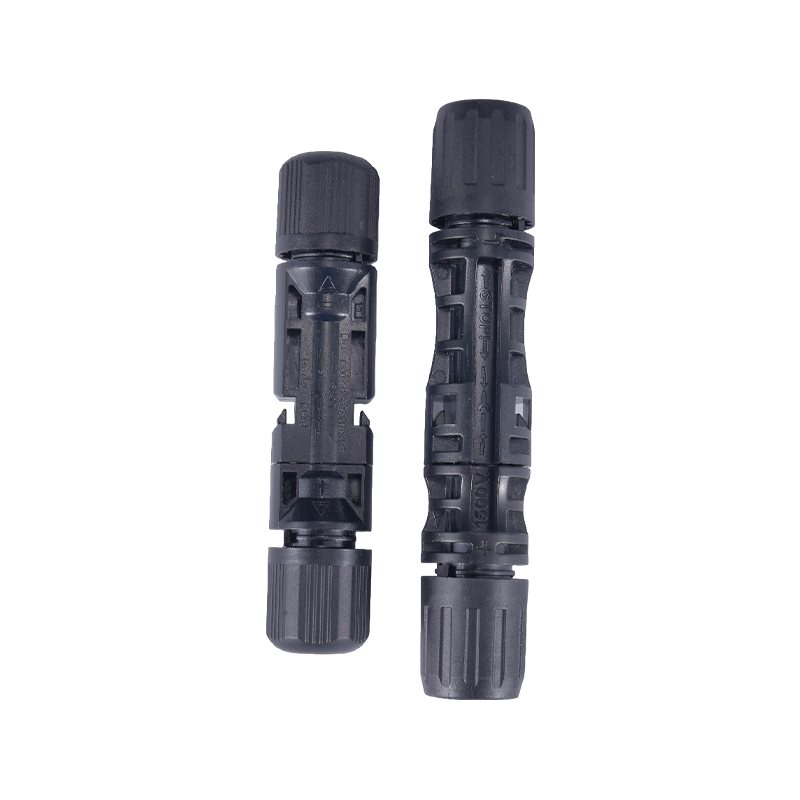
A photovoltaic (PV) connector is an electrical interface component specifically designed for the transmission and interconnection of power between modules within a solar PV system. As a critical element within a PV system, it performs the core function of safely and efficiently transmitting the DC power generated by solar panels to an inverter or combiner box.
Product Structure
Although compact in size, the PV connector integrates multiple practical functions:
Plastic Insulating Housing: Constructed from UV-resistant and impact-resistant engineering plastics.
Metal Contacts: Typically made of tin-plated or silver-plated copper, secured via crimping (soldering may be used in certain applications).
Sealing Rings and Retainers: Ensure an IP68-rated watertight seal.
Clamping Nut: Secures the cable, seals the connector, and provides strain relief.
Positive Locking Mechanism: Ensures a secure connection that remains firmly in place without loosening.
Key Advantages
1. Positive Locking Mechanism: Ensures a reliable and secure connection.
2. High Voltage Handling Capacity:
The rated voltage of the new generation of MC4 connectors has been increased to 1500V.
3. High-Level IP68 Water and Dust Protection: High-quality PV connectors achieve an IP68 protection rating, capable of withstanding heavy rainfall, prolonged submersion, and high-pressure water jets; they are fully equipped to handle the harsh weather conditions that outdoor inverter cabinets may encounter.
4. Stable Operation Across a Wide Temperature Range: Operating temperatures span from -40°C to +85°C (with some models reaching up to +105°C); performance remains consistently stable and reliable, whether in high-temperature desert power plants or during cold-start operations in frigid regions.
5. Low Contact Resistance Technology:
Ensures long-term reliability and consistently low contact resistance throughout the connector's entire service life; temperature rise is strictly controlled within 30K, effectively minimizing conduction losses.
6. High Current Handling Capacity: Compatible with larger cable diameters to meet the requirements of high-power PV modules.
7. Reliability Testing Exceeding Industry Standards:
IP68 water resistance testing is conducted for 24 hours (whereas the industry standard requires only 1 hour).
8. Easy Installation and Strong Compatibility: Mainstream products utilize standard PV interfaces, allowing for seamless interconnection and interoperability between different brands.
Production and Quality Control Capabilities
Core Materials: Contacts are made of high-conductivity copper alloy with tin or silver plating; housings are constructed from UV-resistant, impact-resistant engineering plastics.
Key Processes: Precision stamping and injection molding; precision control of the positive locking mechanism; selection of sealing ring materials.
Quality Testing: Contact resistance testing, insulation withstand voltage testing, IP water resistance testing, tensile strength testing, thermal cycling testing, and salt spray testing.
About Us
Zhejiang Kaka Electric Co., Ltd.
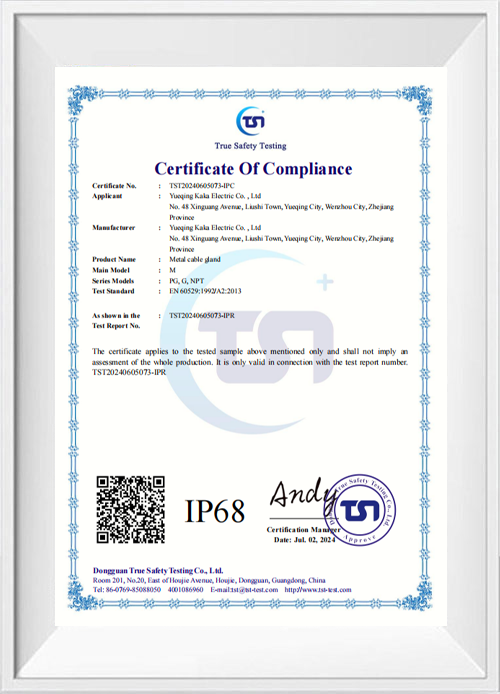
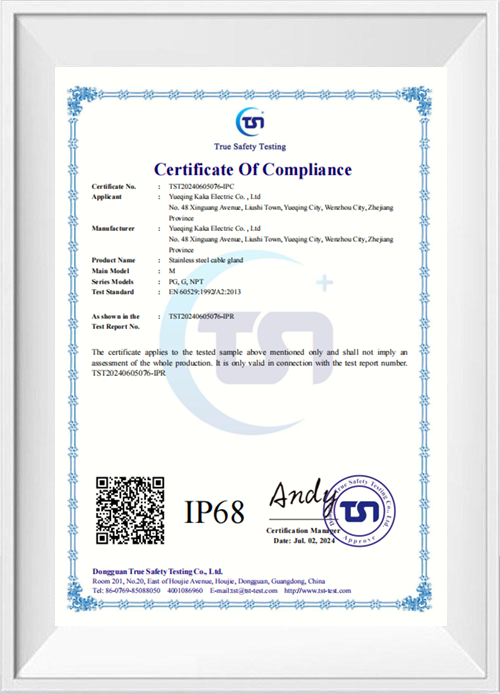
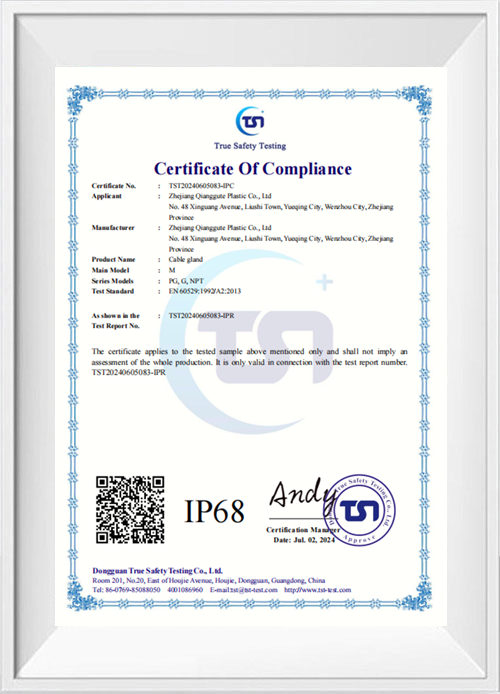
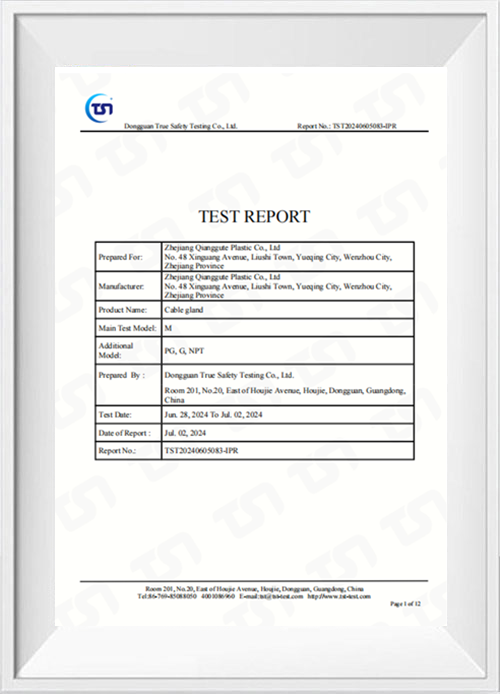
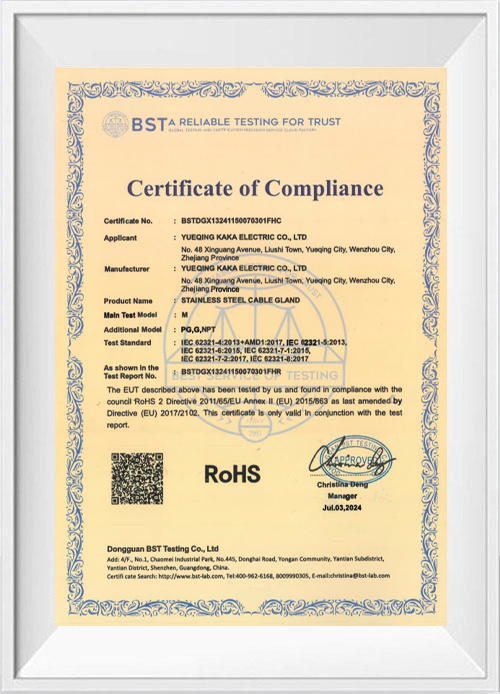
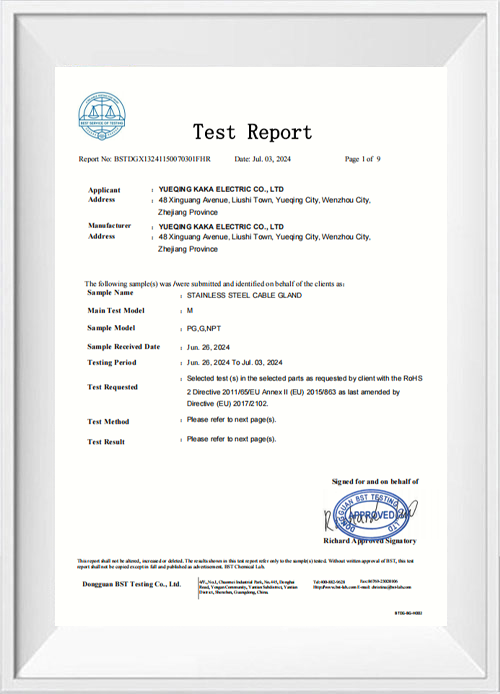
Zhejiang Kaka Electric Co., Ltd. is a technology enterprise based in Liushi Town (known as the "Capital of Electrical Appliances of China"), Yueqing City, Wenzhou, Zhejiang Province. Integrating R&D, design, production, and sales, we specialize in the manufacturing and distribution of high-quality wiring accessories. The company operates dozens of injection molding machines and CNC lathes, and has obtained international certifications including ISO 9001, IP68, CE, ROHS, and REACH. With an excellent and well-structured production team and advanced equipment for mold manufacturing and injection molding, we are dedicated to producing plastic molds and plastic products, providing optimal solutions for our clients.
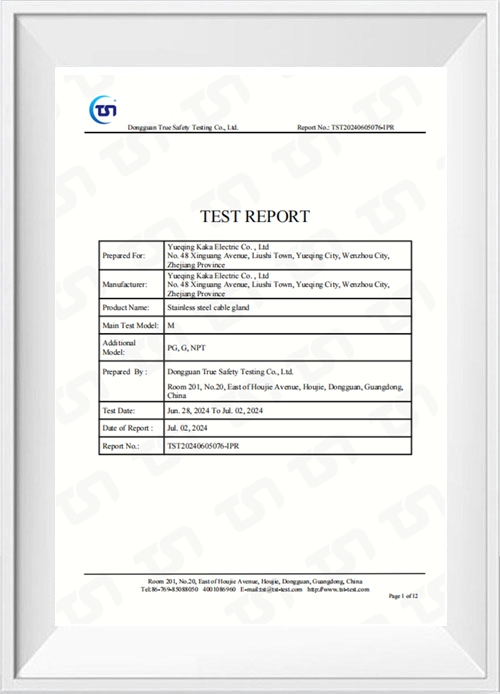
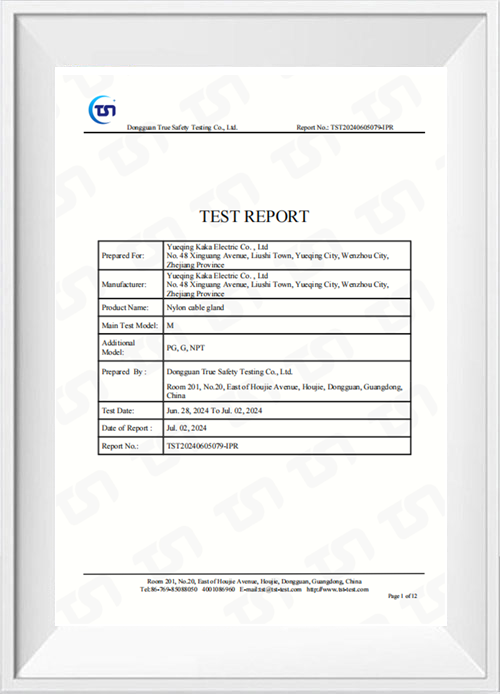
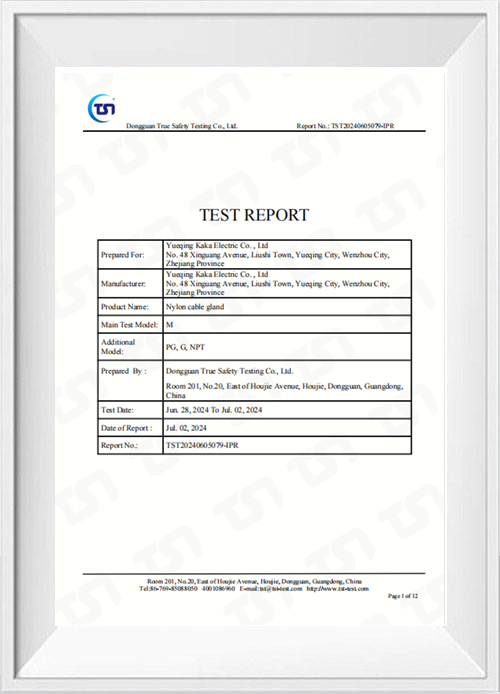
Certificate Of Honour
News
Message Feedback
 Zhejiang Kaka Electric Co., Ltd. is a high-tech enterprise that integrates design,
R&D, production, marketing, and service. We specialize in providing high-quality
wiring accessories and plastic component solutions.
Zhejiang Kaka Electric Co., Ltd. is a high-tech enterprise that integrates design,
R&D, production, marketing, and service. We specialize in providing high-quality
wiring accessories and plastic component solutions.
Email:
798221118@qq.comSales003@kakcom.com
ADD:
No. 48, Xinguang Avenue, Xinguang Industrial Zone, Liushi Town, Yueqing City, Wenzhou City, Zhejiang Province, ChinaPhone:
+86-18005875181Contact US
Copyright © Zhejiang Kaka Electric Co., Ltd. All Rights
Reserved
