

 English

-
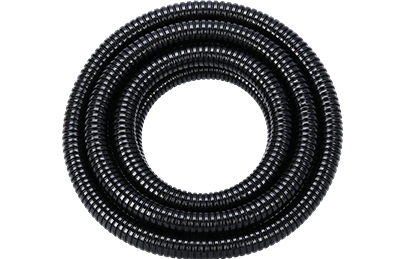
Plastic Corrugated Pipe
We offer a comprehensive range of plastic corrugated conduits, covering three major material types—PA (Nylon), PE (Polyethylene), and PP (Polypropylene)—as well as specialized specifications such as flame-retardant (V0/V2), high/low-temperature resistant, UV-resistant, and anti-static variants. Our products are widely utilized in applications ranging from wire and cable protection to drainage and ventilation, automotive wiring harnesses, industrial dust extraction, and air supply systems.
Core Advantages
Diverse Materials, Optimized Performance: PA6 (high abrasion and oil resistance), PE (flexible, anti-aging, suitable for outdoor use), and PP (acid/alkali resistant, high-temperature resistant up to 120°C).
Selectable Flame Retardancy: UL94 V0/V2 rated flame retardancy; self-extinguishing upon removal from fire sources, making them ideal for high-safety environments such as electrical distribution cabinets and rail transit systems.
High Ring Stiffness & Compression Recovery: The annular corrugated structure provides excellent resistance to external pressure; the conduit automatically rebounds after being flattened, effectively protecting internal cables from damage.
Strong Chemical Stability: Resistant to acids, alkalis, salt spray, oils, and most solvents; offers a service life of over 20 years without the need for additional anti-corrosion coatings.
Lightweight & Easy to Install: Weighs only 1/5 to 1/8 as much as metal conduits; flexible without spring-back, allowing a single person to easily complete long-distance cable threading or installation.Typical Application Areas
Electrical Engineering: Internal cable protection for distribution cabinets, machine tools, and robotics (available in split/open or non-split/closed corrugated conduit types).
Embedded Construction: Electrical conduits embedded in concrete, underfloor heating pipes, and ventilation ducts for fresh air systems.
Automotive Manufacturing: Engine wiring harnesses, door wiring harnesses, and ABS sensor sleeves (temperature resistant from -40°C to 120°C).
Municipal & Environmental: Aeration piping for sewage treatment plants, leachate collection systems, and underground drainage blind pipes.
Industrial Dust Extraction & Material Conveying: Lightweight negative-pressure transport conduits for wood chips, dust, and granular materials. VIEW MORE
-
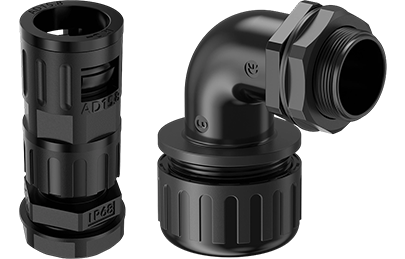
Plastic Corrugated Tube Connector
This series of products includes connectors and fixing accessories for plastic/metal corrugated tubes, mainly consisting of: straight connectors, right-angle connectors, waterproof connectors, tee connectors, flange bases, mounting brackets (split/integral), end caps, cable connectors, flanges, and galvanized pipe adapters. They are widely used in electrical wiring, mechanical equipment, automation control systems, and other fields.
I. Product Classification
Category Product Name
Connection: Corrugated tube straight connector, Corrugated tube right-angle connector, Corrugated tube tee connector
Fixing & Support: Corrugated tube split bracket, Corrugated tube integral bracket, Corrugated tube flange base
Sealing & Protection: Corrugated tube waterproof connector, Corrugated tube cable connector, Corrugated tube end cap
Adaptation Flange, Galvanized pipe adapterII. Manufacturing Process
Plastic parts: Injection molded from flame-retardant PA66 nylon. Some products are equipped with rubber/silicone O-rings to achieve an IP68 waterproof rating.
Metal parts (galvanized pipe adapter, etc.): Made of high-quality carbon steel, processed by stamping and turning, and galvanized for strong corrosion resistance.
Assembly process: Some products (e.g., split/integral brackets) are fixed with snap-fits or screws to ensure a tight fit with corrugated tubes. Assembly clearance < 0.2 mm; anti-loosening design.III. Application Scenarios
Indoor and outdoor cable routing systems (cable trays, distribution cabinets, control boxes)
Internal wiring protection for automation equipment and robots
Interfaces and branches of embedded conduits in building electrical systems
Outdoor lighting, security monitoring, traffic signal systems
Cable management for photovoltaic power, wind energy equipment, EV charging piles
Oil, air, and electrical circuit protection in industrial machinery, injection molding machines, CNC machine toolsIV. Application Fields
Electrical engineering: Industrial power distribution, building electrical, structured cabling
Mechanical manufacturing: CNC machine tools, automated assembly lines, robotics
Renewable energy: Internal connections in solar power stations and wind turbines
Rail transit: Signal systems, cable troughs on rolling stock
Communication engineering: Base stations, data center cable protection
Municipal engineering: Street lighting, traffic signals, landscape lighting
The products support an IP68 waterproof rating, V0 flame retardancy, and an operating temperature from -40℃ to +105℃, meeting the connection and protection requirements of corrugated tubes in various harsh environments.
VIEW MORE
-
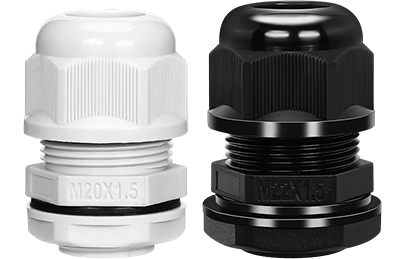
Plastic Cable Connector
Plastic cable glands (also known as cable connectors, waterproof joints, or locking heads) are critical accessories within electrical connection systems. Through threaded locking and compression via a sealing ring, they achieve axial cable fixation, radial sealing, and protection for equipment cable entry points. Primarily manufactured from nylon (PA6/PA66), these products offer advantages such as excellent insulation, lightweight construction, corrosion resistance, and ease of installation, making them widely applicable in fields including distribution boxes, control cabinets, motors, LED lighting, and automation equipment.
Five Core Advantages
1. High-Level Water and Dust Protection: IP68 Certified
Utilizing an O-ring seal and an internal cable-gripping claw structure, the protection rating reaches IP68 (withstanding immersion in 1 meter of water for 30 minutes without ingress). Simultaneously, it meets IP66 and higher dust-proofing requirements, making it suitable for use in indoor, outdoor, and humid environments.
2. Superior Tensile and Torsional Resistance
Features built-in anti-slip clamping claws (also referred to as an "anti-pull-out structure"). When the cable is subjected to axial tension or torsional forces, these claws tighten their grip on the cable sheath, preventing loosening. Certain models are capable of withstanding tensile forces of ≥100N.
3. Fully Insulating Material: Enhanced Electrical Safety
Constructed from flame-retardant nylon (PA66, UL94 V0/V2 rated), the material is non-conductive and rust-proof, thereby eliminating the short-circuit risks potentially associated with metal connectors. This makes it particularly well-suited for applications with strict insulation requirements—such as power distribution cabinets, rail transit systems, and new energy sectors.
4. Resistance to Oil, Acids, Alkalis, and Weathering
The nylon material exhibits excellent resistance to mineral oils, weak acids and alkalis, and salt spray. The black, UV-resistant variant is designed for long-term outdoor use, ensuring it remains free from cracking or premature aging.
5. Easy Installation and Comprehensive Thread Specifications
Available in a wide range of thread standards—including Metric (M8–M100), PG, G (Pipe Thread), and NPT—the glands come complete with matching locknuts and sealing washers. They can be installed quickly using either bare hands or a wrench, thereby significantly reducing labor costs.
VIEW MORE
-
Brass Nickel-Plated Cable Connector
These nickel-plated brass cable glands utilize high-quality brass as their base material, featuring a surface treated with nickel plating to ensure excellent corrosion resistance and oxidation resistance. Boasting a compact structural design and superior sealing capabilities, they effectively prevent dust and moisture from penetrating equipment enclosures, thereby enhancing the safety and stability of electrical connections. With their exceptional conductivity, these products are suitable for use in a wide range of industrial equipment, electrical control systems, and outdoor environments. Easy to install and compatible with various cable specifications, they represent an ideal choice that balances high performance with cost-effectiveness.
Excellent Corrosion Resistance: Effectively withstands exposure to moisture, salt spray, weak acids, oil contaminants, and various chemical solvents.
High-Level Protection Capability: When installed in conjunction with an O-ring seal, the ingress protection rating can reach IP68.
Robust Tensile Strength and Clamping Force: The internal clamping claws firmly grip the cable sheath upon tightening, providing strong tensile resistance and effectively preventing the cable from dislodging due to external pulling forces.
Wide Operating Temperature Range: Typically ranges from -40°C to +110°C in static applications, and -20°C to +80°C in dynamic applications.
Material Composition: The main body is typically nickel-plated brass; critical internal sealing components and clamping claws are predominantly made of Nitrile Rubber (NBR) or Ethylene Propylene Diene Monomer (EPDM), alongside high-strength Nylon PA66.
Thread Specifications: Supports globally recognized standards, including Metric (M), German (PG), British (G), and American (NPT) threads.
Cable Compatibility Range: A critical factor in product selection; it is essential to ensure that the cable's outer diameter falls within the specified range of the cable gland to guarantee effective sealing and secure clamping.
Thread Length: Ensures that the cable gland can be securely mounted within the designated cutout on the equipment enclosure.
Wrench Size: Specifies the appropriate wrench dimensions required for installation and removal; typically indicated within the product specifications.
Application Fields: Industrial automation, outdoor facilities, mechanical equipment, marine and offshore engineering, and the new energy sector.
VIEW MORE
-
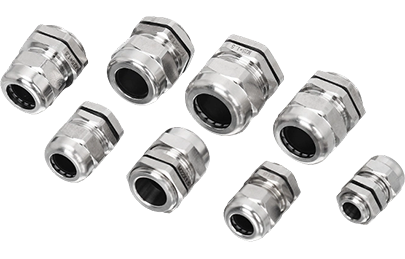
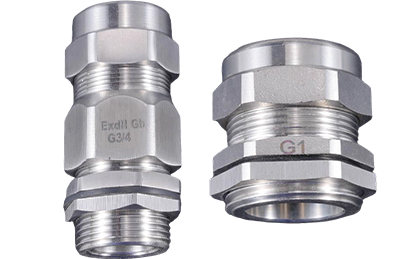
Stainless Steel Cable Connectors
Stainless steel cable glands are manufactured from high-strength stainless steel materials, offering exceptional resistance to corrosion, high temperatures, and mechanical impact. Featuring a precision-engineered sealing structure, they provide reliable protection against water and dust in harsh environments, making them ideal for demanding sectors such as chemical processing, marine engineering, and food processing equipment. These products boast a robust and durable design with a long service life, maintaining stable performance throughout prolonged operation. With their secure installation and high safety standards, they serve as the preferred connection components for applications requiring superior environmental adaptability.
Excellent Corrosion Resistance: Effectively withstands erosion from moisture, salt spray, weak acids, oils, and various chemical solvents.
High-Level Protection Capability: When installed in conjunction with an O-ring seal, the ingress protection rating can reach IP68.
Powerful Tensile Strength and Clamping Force: Internal clamping claws firmly grip the cable jacket upon tightening, providing strong tensile resistance and effectively preventing the cable from dislodging due to external pulling forces.
Wide Temperature Adaptability: Typically ranges from -40°C to +110°C in static applications, and -20°C to +80°C in dynamic applications.
Material Composition: The main body is typically nickel-plated brass; critical internal sealing components and clamping claws are predominantly made of Nitrile Rubber (NBR) or EPDM rubber, alongside high-strength Nylon PA66.
Thread Specifications: Supports globally recognized standards, including Metric (M), German (PG), British (G), and American (NPT) threads.
Cable Compatibility Range: A critical factor in product selection; it is essential to ensure that the cable's outer diameter falls within the specified range of the cable gland to achieve effective sealing and secure clamping.
Thread Length: Ensures that the cable gland can be securely mounted into the designated opening on the equipment enclosure.
Wrench Size: Specifies the appropriate wrench dimensions required for installation and removal; typically indicated within the product specifications.
Application Fields: Industrial automation, outdoor facilities, mechanical equipment, marine and offshore engineering, and the new energy sector.
VIEW MORE
-
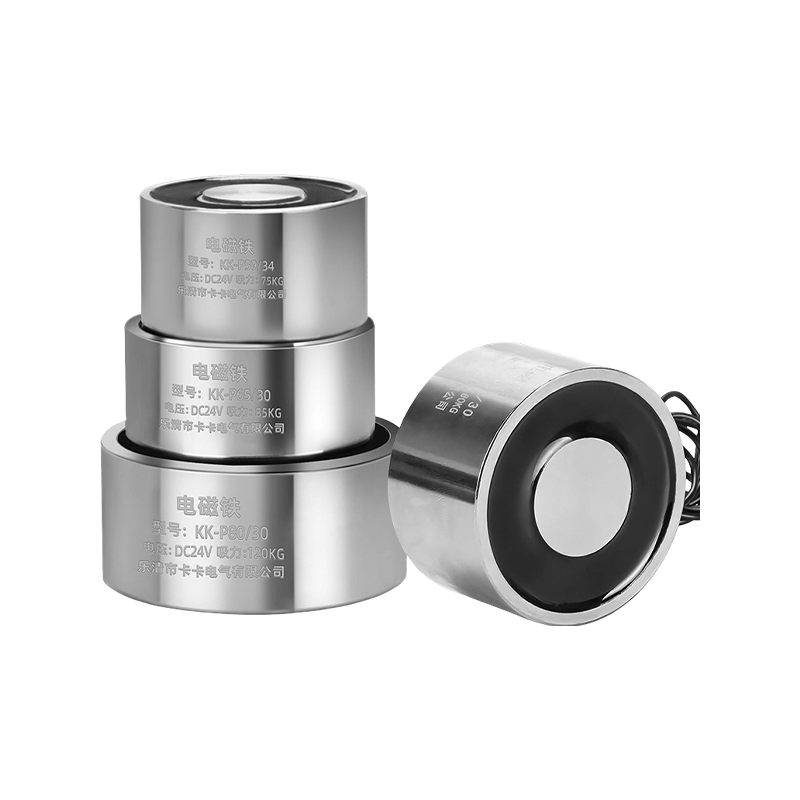
Circular Suction Electromagnet
A circular suction-type electromagnet is an electromagnetic device designed with a cylindrical structure, featuring a magnetic field distributed across the circular face used for attraction. When the coil is energized, it generates a powerful electromagnetic suction force to attract ferromagnetic workpieces or materials; upon power disconnection, the magnetism dissipates, releasing the attached objects. Its operating principle is based on electromagnetic conversion: the coil is housed within a soft magnetic material casing and encapsulated in epoxy resin. This design endows the device with characteristics such as compact size, high suction force, robust reliability, full sealing, and strong environmental adaptability.
1. The suction-type electromagnet is one specific variety among many types of electromagnets; it is commonly referred to as an "electromagnetic chuck" or "electric chuck" (hereinafter collectively referred to as "electric chucks"). An electric chuck functions by utilizing a current-carrying coil to generate a magnetic field; using a conductive material as a medium, it behaves like a permanent magnet. The core material is typically constructed from pure iron or silicon steel—materials that are easily magnetized yet just as easily demagnetized—ensuring that magnetism is present only when power is applied and vanishes immediately upon disconnection.
2. The housing of this product is constructed from pure electrical-grade iron, ensuring that no residual magnetism remains even after prolonged use. The coil bobbin is injection-molded using flame-retardant, reinforced nylon plastic, offering excellent insulation properties, high resistance, and high-temperature durability. The coil itself is wound using standard-compliant enameled copper wire.
We have specialized in the R&D and manufacturing of electromagnets for many years, and our products are ISO 9001 certified. We offer a comprehensive, one-stop service ranging from design and prototyping to mass production. We maintain ample stock of standard specifications, while non-standard custom orders feature short lead times. Prior to leaving the factory, every product undergoes rigorous suction force testing and insulation verification to ensure stable and reliable quality.Core Advantages
1. Compact size, powerful suction
2. Fully sealed, waterproof design
3. High-temperature resistance
4. Customizable suction force
5. Convenient installation: The back of the suction cup features pre-drilled threaded holes, facilitating easy connection and secure mounting to robotic arms, hoisting equipment, or other automated devices.Typical Application Fields
Lifting and Handling: Handling ferromagnetic materials such as steel plates, steel pipes, iron scraps, castings, pig iron blocks, small components, screws, nuts, etc.
Automation Equipment: End-of-arm tooling for robotic arms, robotic suction cups, material handling on automated assembly lines, and sorting systems.
Machine Tool Processing: Workpiece clamping and positioning for rotary surface grinders, cylindrical grinders, and lathes.
Underwater Operations: Salvaging ferromagnetic metal objects from water (enabled by the fully sealed, waterproof design).
Special Operating Conditions: High-temperature environments.Applicable Environment
Avoid prolonged exposure to high-temperature iron objects.
The unit generates heat during operation; allow it to dissipate heat naturally.
When operating in high-temperature environments, external cooling devices (e.g., water cooling, air cooling) must be employed (water cooling requires additional waterproofing protection). The unit's internal temperature should be maintained below 130°C.
For use in outdoor, underwater, or complex environments, please contact our company to discuss specific requirements; customized solutions are available.
Prevent the suction surface from impacting hard, sharp-edged objects. If the suction surface becomes uneven or damaged, the suction force will decrease, compromising the adsorption effectiveness.Installation and Usage Instructions
1. The electric suction cup operates on a DC power supply. Common voltages include DC 5V, 6V, 12V, and 24V; AC 220V versions are available via customization. Please adhere to the voltage specifications marked on the product label (customization is available for special technical requirements).
2. Wiring Diagram: (Note: The wiring method is non-polar; there is no distinction between positive and negative terminals).
3. Within the rated voltage range, the suction force can be adjusted by varying the voltage level (the relationship is directly proportional).
4. Secure the unit in place by fastening screws through the threaded holes located on the back of the suction cup.Precautions Attention:
To achieve the maximum suction force during operation, the electromagnetic chuck must meet the following conditions:
1. The object being lifted must be composed of a material with good magnetic permeability.
2. The power supply must be utilized correctly, and the voltage must be stable.
3. The surface of the object being lifted must be extremely flat and clean.
4. The contact area between the object being lifted and the chuck must be greater than or equal to the chuck's suction surface area (i.e., the chuck's maximum outer diameter).
5. The object being lifted must have a thickness greater than 8 mm to achieve the rated suction force; as the thickness decreases, the suction force will also decrease.
6. There must be no gap or intervening object between the chuck and the object being lifted. Failure to meet any of the above conditions will result in reduced suction force, preventing the device from reaching the maximum suction force indicated on the electromagnetic chuck.
VIEW MORE
-
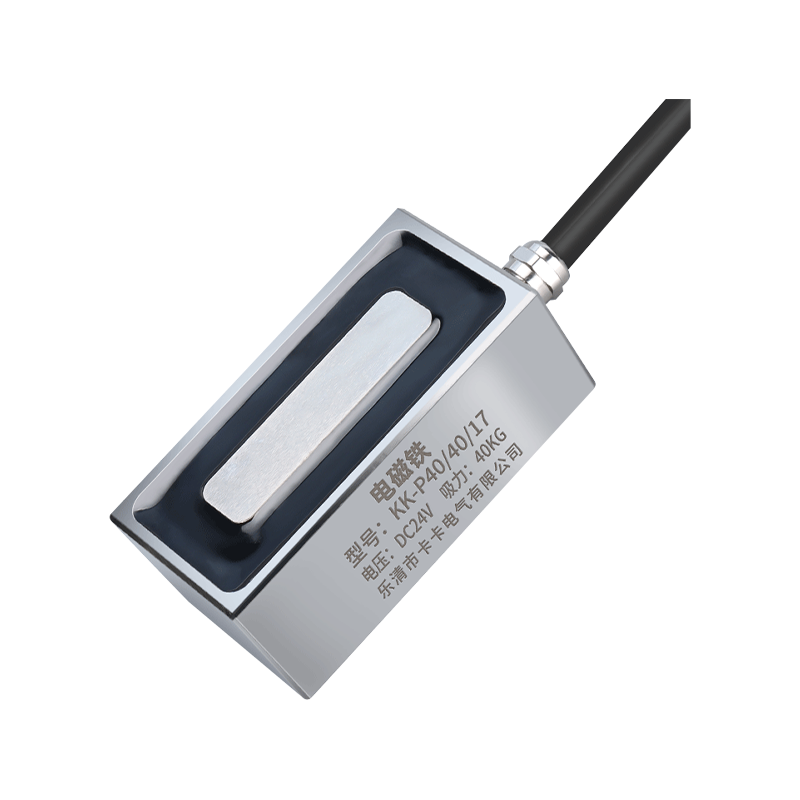
Square Suction Electromagnet
The Square Suction Electromagnet (also known as a rectangular suction magnet or rectangular electromagnetic chuck) refers to an electromagnetic device designed with a cuboid or cubic structure, wherein the magnetic field is distributed across the rectangular contact surface. Unlike the point-concentrated magnetic field of a circular suction magnet, the magnetic field of a square suction magnet is distributed across a rectangular plane; this allows the magnetic field to penetrate uniformly into the underside of the workpiece, making it particularly suitable for lifting large-area plates, long strip-shaped workpieces, as well as castings and die-cast parts with uneven surfaces.
1. The suction-type electromagnet is a specific category among various types of electromagnets, commonly referred to as an "electromagnetic chuck" or "electric chuck" (hereinafter collectively referred to as "electric chucks"). An electric chuck functions by utilizing a current-carrying coil to generate a magnetic field; using a conductive material as the medium, it endows the device with magnetic properties similar to those of a permanent magnet. The core material is typically constructed from pure iron or silicon steel—materials that are easily magnetized yet just as easily demagnetized—ensuring that the device exhibits magnetism only when energized and loses it immediately upon power disconnection.
2. The housing of this product is constructed from pure electrical-grade iron, ensuring that no residual magnetism remains after prolonged use. The coil bobbin is injection-molded using flame-retardant, reinforced nylon plastic, offering excellent insulation properties, high resistance, and high-temperature durability. The coil itself is wound using standard-compliant (GB) enameled copper wire.
We have specialized in the R&D and manufacturing of electromagnets for many years, and our products are ISO9001 certified. We offer a comprehensive, one-stop service ranging from design and prototyping to mass production. Our dense array technology for square magnetic poles ensures uniform adsorption and stable clamping. Prior to leaving the factory, every product undergoes rigorous suction force testing and insulation inspections to guarantee stable and reliable quality.Core Advantages
1. Rectangular magnetic field distribution: Enables uniform adsorption over large surface areas.
2. Single-setup clamping: Allows for machining on five sides of the workpiece in a single clamping operation.
3. Fully sealed, waterproof design: Both the product surface and the cable outlet are treated with epoxy potting, allowing the device to function normally while submerged in water. It is suitable for use in humid environments and underwater operations, and is frequently utilized for lifting metal objects from water.
4. Powerful and Stable Suction:
Electro-permanent magnetic technology ensures stable suction free from thermal deformation, guaranteeing precise and reliable workpiece positioning throughout the machining process.
5. Energy-Efficient and Eco-Friendly—No Heat Generation:
The square magnetic chuck generates magnetic force using high-energy magnetic materials; it operates without time constraints, consumes no energy, and generates no heat, making it both environmentally friendly and simple to operate.Applicable Environment
Avoid prolonged contact with high-temperature ferrous objects:
The unit generates heat during operation; allow it to dissipate heat naturally.
When operating in high-temperature environments, auxiliary cooling devices (e.g., water cooling, air cooling) must be employed. (Note: Water cooling requires appropriate waterproofing protection.) The unit's internal temperature should be maintained below 130°C.
For use in outdoor, underwater, or complex environments, please contact our company to specify your requirements; customized solutions are available.
Prevent the suction surface from colliding with hard, sharp-edged objects. Any deformation (unevenness) of the suction surface will result in reduced suction force and compromise adsorption performance.Installation and Usage
1. The electromagnetic chuck operates on a DC power supply. Common operating voltages include DC 5V, 6V, 12V, and 24V; AC 220V versions are available via custom order. Always adhere to the voltage specifications indicated on the product label. (Customization is available for special requirements upon submission of technical parameters.)
2. Wiring Diagram: (Note: The wiring method is non-polar; there is no distinction between positive and negative terminals.)
3. Within the rated voltage range, the suction force can be adjusted by varying the applied voltage (a directly proportional relationship).
4. Secure the unit in place by utilizing the threaded mounting holes located on the back panel.Matters Needing Attention
To achieve the maximum rated suction force, the electromagnetic chuck must be operated under the following conditions:
1. The object being lifted (workpiece) must be composed of a material with excellent magnetic permeability.
2. The power supply and operating voltage must be utilized correctly and in accordance with specifications.
3. The contact surface of the object being lifted must be extremely flat and clean.
4. The contact area between the object being lifted and the chuck must be equal to or greater than the chuck's suction surface area (i.e., the chuck's maximum outer diameter).
5. To achieve the nominal rated suction force, the object being lifted must have a thickness of at least 8mm. If the thickness is less than 8mm, the resulting suction force will be reduced.
6. There must be absolutely no gap or intervening material between the chuck and the object being lifted. Failure to meet any of the above conditions will result in a reduction of suction force, preventing the unit from reaching the maximum suction capacity indicated on the product label.
VIEW MORE
-
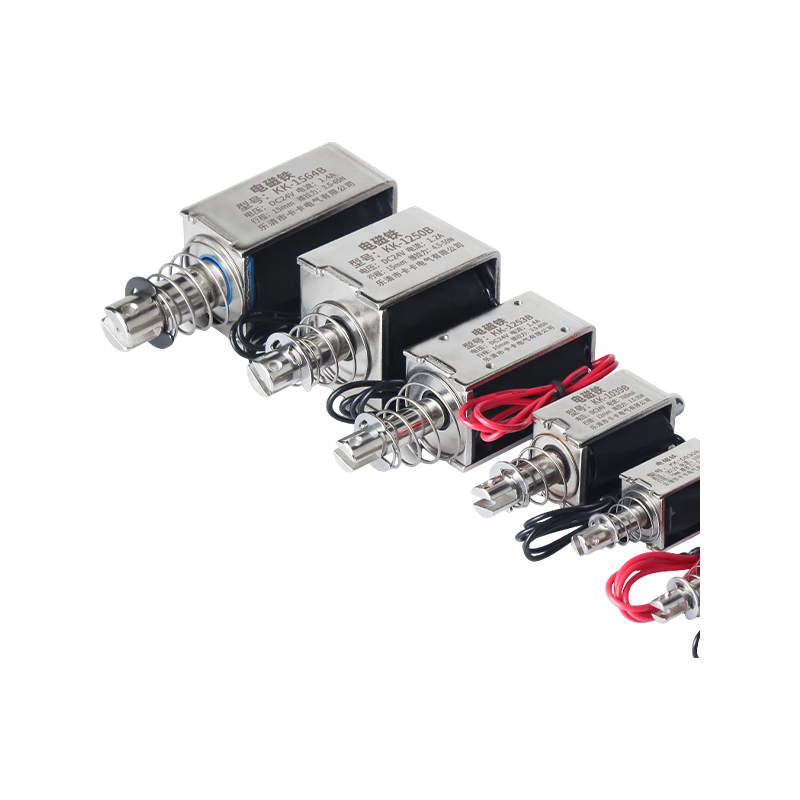
Push-Pull Electromagnet
A push-pull electromagnet (also known as a push-pull type solenoid or linear electromagnet) is an electromagnetic device that converts electrical energy into linear reciprocating mechanical motion. When the coil is energized, it generates an electromagnetic field that drives the moving core (plunger) to move axially, thereby executing a push or pull action; upon power disconnection, a return spring or external force returns the core to its original position. Its structure primarily comprises components such as a coil, a moving core, a stationary core, a housing, and a return spring.
Due to its compact structure, sensitive operation, rapid response, and ease of control, the push-pull electromagnet is widely utilized in fields such as automation equipment, security locking mechanisms, medical devices, and industrial machinery; it serves as an ideal actuator for implementing remote, centralized, and automated control systems.Working Principle
The push-pull electromagnet operates based on the principle of electromagnetic induction: a coil is wound around a core made of a highly permeable magnetic material; when energized, the coil generates a magnetic field that exerts an attractive force on the moving core, driving it toward the stationary core. By selecting the appropriate mounting configuration—utilizing the shaft on the bolt-mounted side to generate a pushing action, or utilizing the shaft on the armature side to generate a pulling action—both types of motion can be achieved. Upon power disconnection, the magnetic field dissipates, and the return spring pushes the moving core back to its original position, thereby completing a full operational cycle.
1. The push-pull electromagnet is one of many types of solenoids; it is frequently referred to as a "through-type" or "impact-type" electromagnet, though collectively referred to herein as a "push-pull electromagnet." Its operation relies on an energized coil generating a magnetic field to impart kinetic energy to a plunger, driving it outward. The core components are fabricated from pure iron or silicon steel—materials selected for their high magnetic permeability (ease of magnetization) and rapid demagnetization properties—ensuring that the plunger extends and becomes magnetized only when power is applied, and that both its kinetic force and magnetism dissipate immediately upon power disconnection.
2. The product's housing is constructed from electrical-grade pure iron, while the coil bobbin is injection-molded using flame-retardant, reinforced nylon plastic, offering excellent insulation properties, flame resistance, and high-temperature durability. The coil itself is wound using enameled copper wire that meets national standards.
We have specialized in the R&D and manufacturing of electromagnets for many years, and our products are certified under the ISO9001 quality management system. We offer a one-stop service ranging from design and prototyping to mass production. Our entire product line features pure copper coils and high-permeability magnetic materials, ensuring stable suction force and rapid response times. Prior to leaving the factory, every product undergoes rigorous suction force testing and insulation inspections to guarantee stable and reliable quality.Core Advantages
1. Selectable Push/Pull Modes; Flexible Installation: A single electromagnet unit can function as either a push-type or a pull-type device; users simply need to select the appropriate shaft end based on the required installation direction, thereby accommodating a wide variety of mechanical structural requirements.
2. Rapid Response; High Operating Frequency: Our push-pull electromagnets execute movements with crisp precision and speed; the actuation time can be as fast as 0.10 seconds, while the reset time is under 0.05 seconds. With an operating frequency reaching 3600–3800 cycles per hour, these units effectively meet the demands of high-speed automation systems.
3. Powerful Force; Adjustable Stroke: Our miniature models generate suction forces ranging from several kilograms to tens of kilograms, while our long-stroke models can deliver thrust forces exceeding 300 kilograms. The stroke length is fully customizable—ranging from a few millimeters to over 60 millimeters—allowing for optimization: shorter strokes yield greater force and faster response times, while longer strokes are ideal for applications requiring extended-distance operation.
4. Multiple Duty Cycles Available: Depending on specific operating conditions, users may select between intermittent or continuous power supply modes. The units are designed to sustain continuous power without overheating or burning out.
5. Comprehensive Voltage Specifications: A full range of voltage options is available to suit diverse application requirements.
6. Long Lifespan; High Reliability: Our standard models boast a mechanical lifespan exceeding 2 million cycles. Utilizing highly wear-resistant bearings and premium coil materials, these units deliver maintenance-free operation.Important Considerations / Matters Needing Attention
To achieve maximum thrust and suction force values during operation, the push-pull electromagnet must be utilized in accordance with the following conditions:
1. Electromagnet Operation Mode:
When power is applied, the movable core is drawn into the coil, generating a thrust/pull force. When power is disconnected, the force dissipates, and the movable core automatically returns to its original position via spring-assisted reset.
2. Electromagnet Energization Duration:
Energizing the electromagnet causes it to generate heat; therefore, it is not suitable for continuous, prolonged power supply (the duration of a single energization cycle should be less than 30 seconds). The unit is designed for periodic operation involving alternating cycles of energization and de-energization. Applying continuous power for an extended period—rather than in cycles—is functionally equivalent to inducing an electrical short circuit.
3. Proper Power Supply Selection:
It is recommended to utilize a switching power supply, a transformer, or a high-capacity lithium-ion battery as the power source. Please note: Do not attempt to power this device using small lithium batteries, dry cells, USB ports, power banks, microcontrollers, or circuit boards. These power sources are generally insufficient to drive the unit; due to the electromagnet's high power requirements, these sources will be unable to handle the load once connected, rendering the device completely inoperable.
VIEW MORE
-
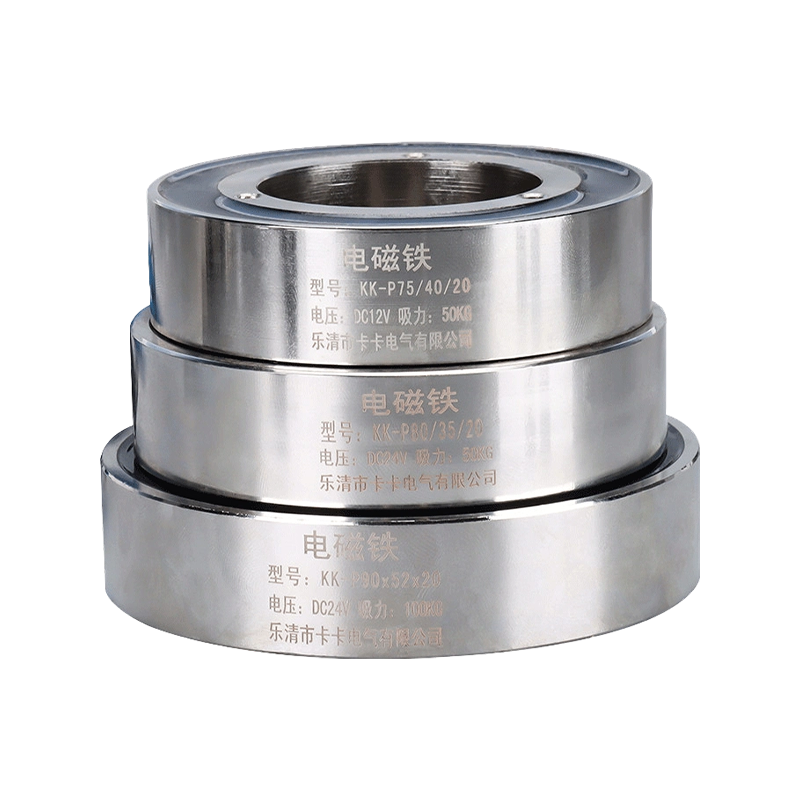
Annular Suction Electromagnet
A toroidal electromagnet is an electromagnetic device with a toroidal/donut-shaped structure. Its coil is wound around a toroidal iron core, generating a specifically distributed magnetic field in and around the central region of the toroid during operation. Unlike ordinary cylindrical electromagnets, toroidal electromagnets have a hollow structure. This unique design gives them significant advantages in holding convex workpieces, centering workpieces, and integrating rotary systems.
Toroidal electromagnets are electrically controlled lifting devices (generating suction force when energized and used for lifting steel plates, pipes, etc.) based on their working principle.
Core Advantages:
1. Hollow Structure, Holding Convex Workpieces: The central through-hole design of the toroidal electromagnet allows it to hold convex workpieces, pipes, bars, and other irregularly shaped objects that are difficult for ordinary electromagnets to stably attract. It can also be used for precise workpiece positioning.2. Uniform Magnetic Field Distribution: The toroidal structure generates a uniform magnetic field distribution in the central hole area and circumferential direction, reducing uneven magnetic force and improving the stability and efficiency of equipment operation.
3. High Suction Force and High Safety Factor: For the same volume, the toroidal electromagnet has a stronger suction force than an ordinary electromagnet. Our high-quality products are designed with suction power 2-3 times stronger than customer requirements, ensuring safe transport during the adsorption process. Deep-sea application-grade products can achieve an initial suction power of over 240KG.
4. Fully sealed and waterproof, suitable for extreme environments: The coil undergoes rigorous impregnation treatment and is then filled with epoxy resin, achieving an IP67 or higher protection rating. Deep-sea exploration models use 3M soft, pressure-resistant potting compound, suitable for applications up to 6000 meters deep.
We have focused on the R&D and manufacturing of electromagnets for many years, and our products are ISO9001 certified. We provide one-stop service from design and prototyping to mass production. Our toroidal electromagnet series covers multiple professional fields, including lifting and handling, motor rotors, deep-sea exploration, and medical devices. The coil uses pure copper enameled wire, the core uses high-permeability materials, and the potting process achieves an IP67 or higher protection rating. All products undergo rigorous suction power and insulation testing before leaving the factory, ensuring stable and reliable quality. Deep-sea exploration-grade products can meet the requirements of operations up to 6000 meters deep.
Professional Service Guarantee
Free Selection Solution: Please provide your workpiece type, suction requirements, working environment (underwater/deep sea/high temperature), installation space, and power frequency. We will provide you with accurate recommendations.
Sample trials are supported to verify suction power and matching effect. Sufficient stock of standard specifications; small batches can be shipped the same day.
VIEW MORE
-
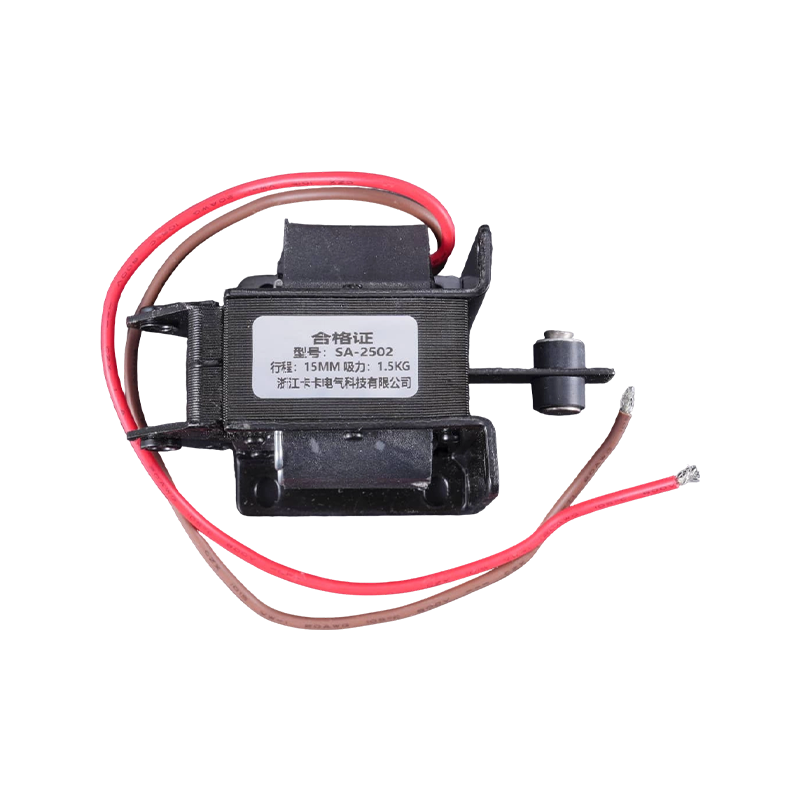
Traction Electromagnet
A traction electromagnet is an electromagnetic actuator that utilizes the principle of electromagnetic induction to convert electrical energy into linear reciprocating mechanical motion. When the coil is energized, it generates an electromagnetic field that drives the armature (moving core) to move toward the stationary core; through a connecting rod, this motion actuates an external mechanism to perform a pulling or pushing action. Upon power disconnection, a return spring or gravity causes the armature to return to its original position. These products are widely utilized for remote operational control in equipment such as machine tool fixtures, automated production lines, packaging machinery, and material handling systems.
The core structure of a traction electromagnet comprises a coil, a yoke (stationary core), an armature (moving core), a return spring, and an outer housing. When energized, the coil generates a magnetic field; the resulting magnetic flux lines traverse a magnetic circuit constructed from high-permeability materials, exerting an attractive force on the armature and driving it toward the stationary core. The initial force generated by the traction electromagnet is at its minimum the instant power is applied (at the point of maximum stroke); as the stroke distance decreases, the force progressively increases, reaching its maximum magnitude once the armature makes full contact with the stationary core (at zero stroke). Upon power disconnection, the return spring pushes the armature back to its original position, thereby completing a single operational cycle.
Core Materials: The coils are wound using pure copper enameled wire, offering excellent conductivity and a temperature resistance rating reaching Class F (155°C). The iron core is constructed from laminated high-permeability silicon steel sheets or pure electrical iron to minimize eddy current losses. The armature guide channel utilizes wear-resistant materials to ensure smooth, unhindered movement.
Insulation Treatment: The coils undergo a dual-process treatment involving vacuum impregnation followed by epoxy resin encapsulation; this creates a completely sealed unit that is both waterproof and moisture-proof.
Structural Design: Featuring an armored solenoid/shell-type structure, the design incorporates a segmented magnetic ring to effectively reduce eddy current losses and mitigate vibration noise in AC electromagnets.
Quality Inspection: Every production batch undergoes rigorous 100% testing, including suction force tests, insulation resistance tests, and temperature rise tests. Dielectric strength (voltage withstand) testing is also performed to ensure absolute electrical safety.
Customization Services: Parameters such as stroke length, suction force, operating voltage, duty cycle, mounting orientation (vertical/horizontal), and shaft end configuration can all be fully customized to meet specific requirements.Core Advantages
1. Rapid Response, Reliable Operation: The traction electromagnet features a pull-in time of ≤0.2 seconds and a fast release response, effectively meeting the high-frequency start-stop demands of automated equipment. High-quality models can achieve an operating frequency of up to 1,500 cycles per hour.
2. Variable Suction Force (Stroke-Dependent): The suction force characteristics of the traction electromagnet are inversely proportional to the stroke distance—suction force is minimal at the initial, maximum-stroke position and reaches its maximum value once the armature has fully pulled in. This characteristic allows for low-load acceleration during startup and high-load holding once the armature is seated, making it particularly well-suited for applications requiring "fast startup and firm locking."
3. Sealed, Waterproof Coils; Strong Environmental Adaptability: Utilizing vacuum epoxy encapsulation technology for the coils, the unit achieves a fully sealed state with a high IP protection rating, offering excellent resistance to water, dust, and moisture. It is suitable for operation in harsh environments, including those that are humid or dusty.
4. Multiple Voltage Specifications; Global Compatibility: Operating voltages span a wide range from DC 24V to AC 380V. The units support both 50Hz and 60Hz power frequencies, ensuring compatibility with power supply standards across different regions of the world.
5. Long-Life Design; Low Maintenance Costs: High-quality models boast a mechanical lifespan exceeding 1 million operating cycles. By utilizing highly wear-resistant bearings and premium coil materials, the units deliver maintenance-free operation.
6. AC Simulation Technology and Overload Protection:
The AC-simulating traction electromagnet utilizes a DC electromagnet mechanism to simulate AC operational curves. This design combines the advantages of DC electromagnets—specifically stable operation and noise-free performance—while retaining the key strengths of AC electromagnets: high traction force and simple control. In the event that the armature becomes jammed, an intelligent module automatically switches the operating mode to prevent the coil from burning out.Professional Service Guarantee
Free Selection Consultation: Please provide your specific requirements regarding traction force, stroke length, duty cycle, supply voltage, and available installation space; we will provide a precise product recommendation or a custom-tailored solution for you.
Sample Trials Supported: We offer samples (5–10 units) for testing to verify that the suction force and operational movement meet your specific application needs.
Ample Stock for Standard Models: We maintain sufficient inventory of standard specifications; small-batch orders can be shipped on the same day.
Customization Lead Time: Non-standard custom orders are typically completed within 7–15 days.
Selection Guide Provided: We offer a comprehensive guide for selecting traction electromagnets, recommending specific models based on stroke length, suction force, and duty cycle requirements.
VIEW MORE
-
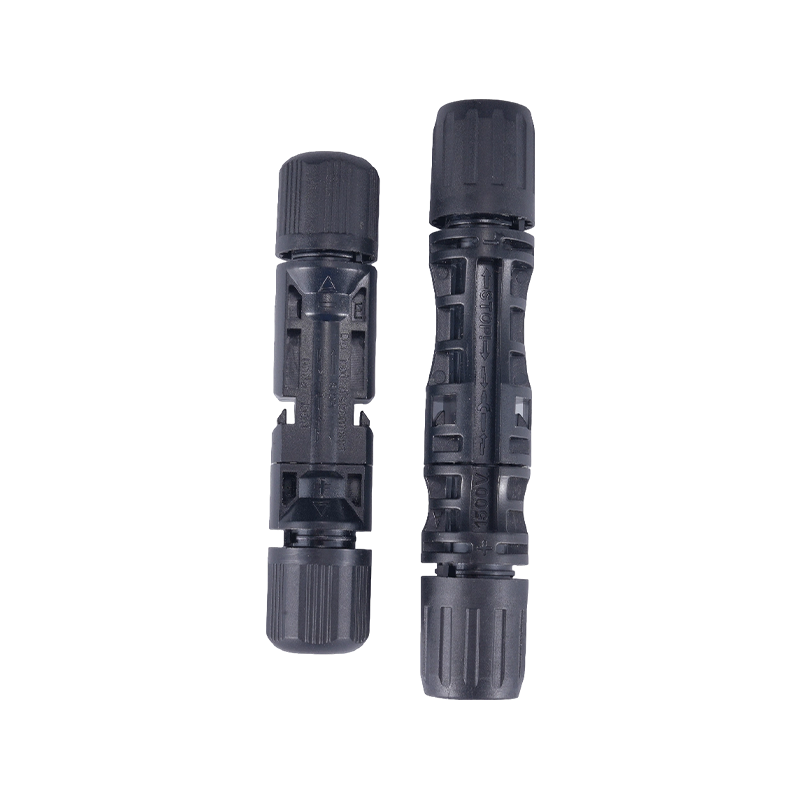
PV Connectors
A photovoltaic (PV) connector is an electrical interface component specifically designed for the transmission and interconnection of power between modules within a solar PV system. As a critical element within a PV system, it performs the core function of safely and efficiently transmitting the DC power generated by solar panels to an inverter or combiner box.
Product Structure
Although compact in size, the PV connector integrates multiple practical functions:
Plastic Insulating Housing: Constructed from UV-resistant and impact-resistant engineering plastics.
Metal Contacts: Typically made of tin-plated or silver-plated copper, secured via crimping (soldering may be used in certain applications).
Sealing Rings and Retainers: Ensure an IP68-rated watertight seal.
Clamping Nut: Secures the cable, seals the connector, and provides strain relief.
Positive Locking Mechanism: Ensures a secure connection that remains firmly in place without loosening.Key Advantages
1. Positive Locking Mechanism: Ensures a reliable and secure connection.
2. High Voltage Handling Capacity:
The rated voltage of the new generation of MC4 connectors has been increased to 1500V.
3. High-Level IP68 Water and Dust Protection: High-quality PV connectors achieve an IP68 protection rating, capable of withstanding heavy rainfall, prolonged submersion, and high-pressure water jets; they are fully equipped to handle the harsh weather conditions that outdoor inverter cabinets may encounter.
4. Stable Operation Across a Wide Temperature Range: Operating temperatures span from -40°C to +85°C (with some models reaching up to +105°C); performance remains consistently stable and reliable, whether in high-temperature desert power plants or during cold-start operations in frigid regions.
5. Low Contact Resistance Technology:
Ensures long-term reliability and consistently low contact resistance throughout the connector's entire service life; temperature rise is strictly controlled within 30K, effectively minimizing conduction losses.
6. High Current Handling Capacity: Compatible with larger cable diameters to meet the requirements of high-power PV modules.
7. Reliability Testing Exceeding Industry Standards:
IP68 water resistance testing is conducted for 24 hours (whereas the industry standard requires only 1 hour).
8. Easy Installation and Strong Compatibility: Mainstream products utilize standard PV interfaces, allowing for seamless interconnection and interoperability between different brands.Production and Quality Control Capabilities
Core Materials: Contacts are made of high-conductivity copper alloy with tin or silver plating; housings are constructed from UV-resistant, impact-resistant engineering plastics.
Key Processes: Precision stamping and injection molding; precision control of the positive locking mechanism; selection of sealing ring materials.
Quality Testing: Contact resistance testing, insulation withstand voltage testing, IP water resistance testing, tensile strength testing, thermal cycling testing, and salt spray testing.
VIEW MORE
-
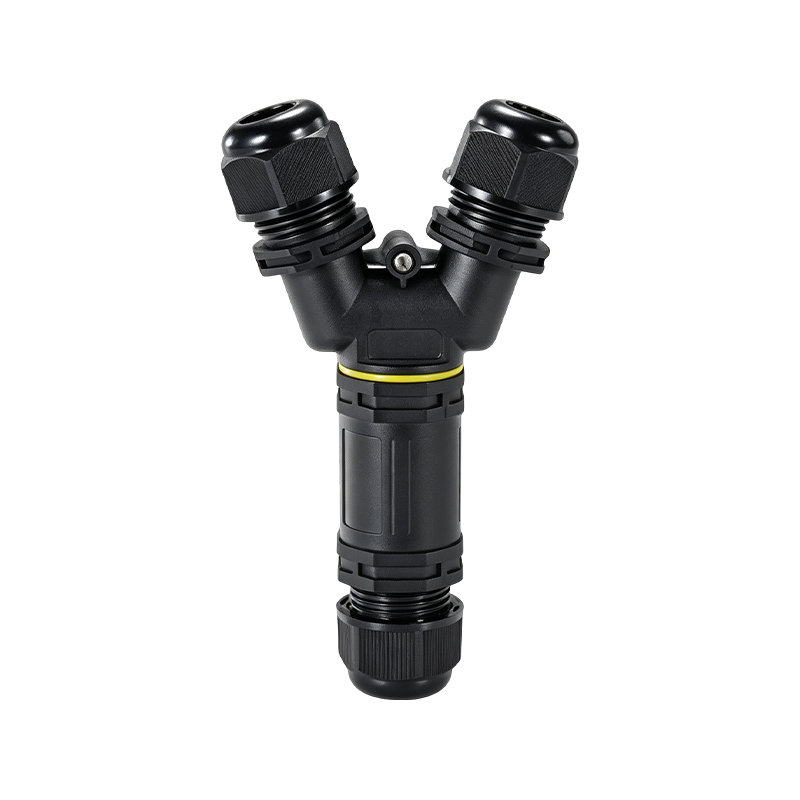
Cable Connectors
A waterproof connector is a connecting device capable of maintaining stable electrical performance even in environments characterized by dampness, submersion, or high-pressure water jets. Its core principle involves utilizing sealing rings, sealants, and specific structural designs to create a tight, watertight barrier at the connector's mating interface. This barrier prevents moisture from infiltrating the contact area, thereby averting issues such as corrosion, signal interruption, or electrical short circuits.
Waterproof connectors are widely deployed across various sectors, including outdoor lighting, industrial automation, marine electronics, medical equipment, and new energy systems. In these environments—where exposure to water, humidity, salt spray, or wash-down operations is the norm rather than an exception—the waterproof performance of the connector directly dictates the overall reliability of the entire system.
Fundamentally, a waterproof connector is designed for use in water-present environments; it is engineered to withstand specific levels of water pressure while ensuring that the connector's internal mechanical and electrical properties remain fully functional.Applications:
Widely utilized in outdoor waterproofing projects, LED streetlights, tunnel lights, subway systems, bridges, urban landscape lighting projects, home appliances (such as air heaters and electric radiators), power tools, outdoor LED displays, outdoor light fixtures, water pumps, in-ground lights, underwater lighting, and similar applications.Features:
The rubber cabling is soft, highly elastic, and resistant to high temperatures, oil, and cold. It possesses high mechanical strength to withstand external forces and exhibits exceptional weather resistance, making it particularly suitable for outdoor engineering projects or locations exposed to oil contamination and harsh environmental conditions. Furthermore, it offers a long service life and excellent resistance to aging.Core Advantages:
1. IP68 Rating: Offers a high level of protection, satisfying rigorous waterproofing requirements; it is dustproof and capable of withstanding prolonged submersion in water.
2. Multiple Sealing Structures for High Reliability: The waterproof connector employs a multi-layered sealing design—incorporating O-rings, gaskets, and compression seals—to create a complete 360-degree watertight seal at the interface where the plug and socket mate.
3. Corrosion-Resistant Materials for Harsh Environments: The housing materials are corrosion-resistant, enabling the connector to perform reliably in harsh conditions; materials include Nylon PA66.Manufacturing and Quality Control Capabilities:
Core Materials: The electrical contacts are fabricated from high-conductivity copper alloys with gold plating, while the housing is constructed from corrosion-resistant engineering plastics or metals.
Sealing Technology: Utilizes O-rings, integrated annular grooves, and liquid silicone seals; select products also incorporate nano-coatings to further enhance waterproofing capabilities.
Quality Testing: Subjected to 100% comprehensive testing, including airtightness tests, contact resistance measurements, insulation withstand voltage tests, and water immersion tests.
VIEW MORE
-
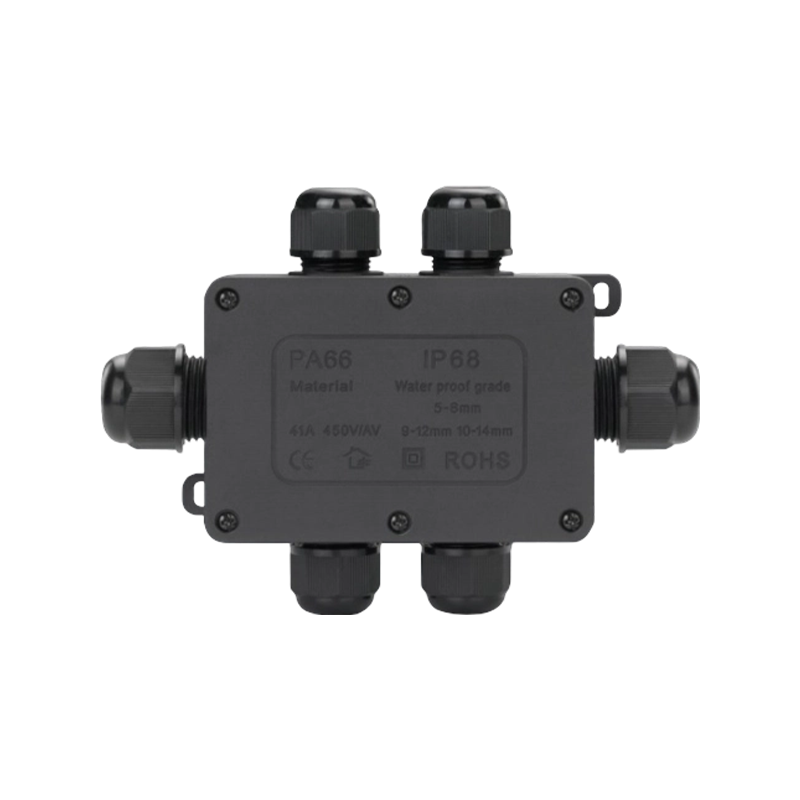
Compact Junction Boxes with Cable Glands
A black waterproof junction box is an electrical protective enclosure specifically designed for use in wet, dusty, corrosive, and outdoor environments. Its primary function is to provide waterproof, dustproof, and corrosion-resistant protection for cable connections.
As a protective housing designed to guard against water and dust ingress, its main purpose is to prevent internal components—such as wiring, meters, and instruments—from being compromised by moisture, thereby ensuring their continued performance.Waterproof Ratings:
Typical waterproof ratings range from IP63 to IP68. Specific classifications are defined as follows:
IP63: Water or rain falling at an angle of up to 60 degrees relative to the enclosure causes no harmful effects.
IP64: Liquid splashed against the enclosure from any direction causes no harmful effects.
IP65: The enclosure withstands direct water jets (washing) without sustaining any damage.
IP66: Suitable for use in environments such as ship cabins.
IP67: Capable of withstanding temporary immersion in water (up to 1 meter in depth) for a short duration.
IP68: Capable of withstanding continuous immersion in water under specific pressure conditions—for example, in deep-sea cable connection applications.Primary Applications:
Due to regional variations and differences in intended scope, waterproof enclosures are referred to by various names. In industrial settings, common designations include waterproof junction boxes, waterproof instrument enclosures, and waterproof photovoltaic (PV) junction boxes. These enclosures are primarily suitable for use in indoor and outdoor electrical systems, telecommunications, fire safety installations, steel smelting plants, petrochemical facilities, electronics manufacturing, power generation and distribution, railway systems, construction sites, mines and mining operations, airports, hotels, marine vessels, large-scale manufacturing plants, coastal industrial facilities, cargo terminals, wastewater treatment plants, and environmental pollution control facilities.Core Advantages:
1. High Protection Ratings (IP66/IP68) for Harsh Environments: Depending on the specific model, the black waterproof junction box offers protection ratings ranging from IP66 (protection against powerful water jets) up to IP68 (protection against continuous water immersion). IP66-rated enclosures can withstand heavy rain and high-pressure water jets, while IP68-rated enclosures are suitable for scenarios involving prolonged submersion, such as underground or underwater installations.
2. Multiple Material Options to Suit Various Operating Conditions:
ABS: Economical and practical; features excellent rigidity and high impact strength, making it suitable for indoor or general outdoor environments.
PC/PC-ABS: Offers superior weather resistance, UV protection, and tolerance to extreme temperatures (-40°C to +120°C); features high transparency and is ideal for outdoor scenarios involving prolonged exposure to sunlight.
3. Stable Operation Across a Wide Temperature Range: The operating temperature range of the black waterproof junction boxes varies by material—ABS and PC materials typically operate within a range of -40°C to +80°C.
4. Excellent Flame Retardancy for Safety and Reliability: Most black waterproof junction boxes utilize UL94 V-0 self-extinguishing materials; they cease burning immediately upon removal from a flame, thereby meeting fire safety regulations.Manufacturing and Quality Control Capabilities
Core Materials: Utilizes ABS and PC materials that comply with RoHS environmental standards.
Molding Process: Injection molding (for plastic components).
Sealing Technology: Employs silicone rubber gaskets or PUR/EPDM foam seals to ensure long-term sealing stability.
Quality Inspection: Subject to 100% testing, including IP waterproof testing, insulation withstand voltage testing, and seal integrity verification.
VIEW MORE
-
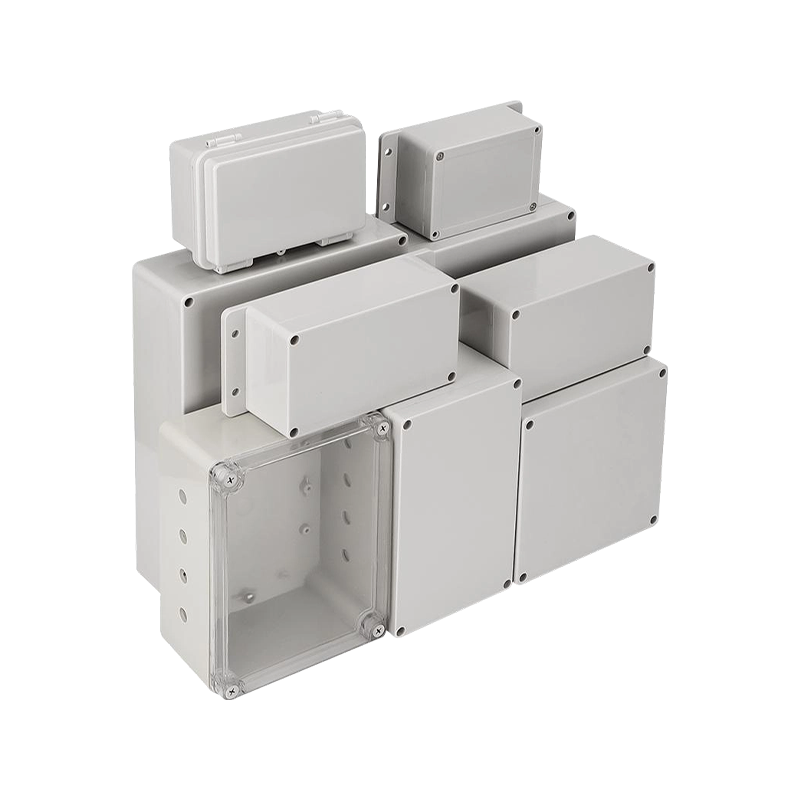
Sealed Plastic Enclosure Junction Boxes
Serving as a protective enclosure against water and dust, this housing is primarily designed to safeguard internal components—such as wiring, meters, and instruments—from water ingress that could compromise their performance.
Waterproof Ratings:
Typical waterproof ratings range from IP63 to IP68. Specific classifications are defined as follows:
IP63: Water or rain falling at an angle of up to 60 degrees relative to the enclosure causes no harmful effects;
IP64: Liquid splashed against the enclosure from any direction causes no harmful effects;
IP65: Direct washing with water causes no harmful effects;
IP66: Suitable for use within ship cabins or similar environments;
IP67: Capable of withstanding temporary immersion in water (up to 1 meter in depth);
IP68: Capable of withstanding prolonged immersion in water under specific pressure conditions (e.g., for deep-water cable connections).Primary Applications:
Due to regional variations and differing functional requirements, waterproof enclosures are known by various names. In industrial settings, common types include waterproof junction boxes, waterproof instrument enclosures, and waterproof photovoltaic junction boxes. These enclosures are primarily utilized in indoor and outdoor environments across a wide range of sectors, including electrical systems, telecommunications, fire safety facilities, steel smelting, petrochemicals, electronics, power generation, railways, construction sites, mines, mining operations, airports, hotels, marine vessels, large-scale manufacturing plants, coastal industrial facilities, cargo terminals, wastewater treatment plants, and environmental pollution control facilities.Core Advantages:
1. Lightweight and Economical; Effortless Installation.
2. High Protection Ratings (IP66/IP68) for Harsh Environments: Thanks to the use of silicone rubber sealing strips and precision-engineered locking mechanisms, plastic waterproof enclosures achieve protection ratings ranging from IP66 (protection against powerful water jets) up to IP68 (protection against prolonged water immersion). Whether subjected to torrential rain or temporary submersion, the internal components remain completely safe and secure. IP66-rated enclosures can withstand high-pressure water jets, making them suitable for outdoor equipment; IP68-rated enclosures are designed for scenarios involving prolonged submersion, such as underground installations or underwater applications.
3. Diverse Material Options to Suit Various Operating Conditions:
ABS: Offers excellent rigidity, high impact strength, and resistance to both high and low temperatures. It is easy to process, cost-effective, and suitable for indoor or general outdoor environments.
PC: Features strong UV resistance, superior weatherability, and high transparency, making it ideal for outdoor environments involving prolonged sun exposure or applications where internal components need to be visually monitored.
PC/ABS Alloy: Combines the robust mechanical properties of PC with the excellent moldability of ABS, offering a blend of temperature resistance, UV protection, and ease of processing.
4.Fully Insulated Materials for Enhanced Electrical Safety: These plastic waterproof enclosures are manufactured using engineering-grade plastics, which are inherently insulating and non-conductive. This eliminates the risk of electrical leakage, making them particularly well-suited for applications—such as power distribution and telecommunications—where strict insulation standards are required. In contrast, metal enclosures necessitate additional grounding measures to ensure safety.
5. Excellent Flame Retardancy: Most plastic waterproof enclosures utilize UL94 V0/V2 self-extinguishing materials; they self-extinguish upon removal from a flame, thereby meeting fire safety regulations.
6. Convenient Installation & Comprehensive Accessories:
- Multiple internal mounting bosses are provided to facilitate the secure attachment of components such as PCBs and terminal blocks.
- Pre-drilled mounting holes on the base allow for flexible installation—either wall-mounted or floor-standing.
- Side panels can be customized with cutouts according to client specifications to accommodate waterproof cable glands.
- Select models feature transparent covers, allowing for visual inspection of internal components without the need to open the enclosure.
7. Stable Operation Across a Wide Temperature Range: With an operating temperature range spanning from -40°C to +110°C, these enclosures are capable of withstanding diverse climatic conditions—from extreme cold environments to high-temperature deserts.Manufacturing & Quality Control Capabilities
Core Materials: We utilize high-quality engineering plastics—such as ABS, PC, and PC/ABS—that comply with RoHS environmental standards; we strictly avoid the use of recycled secondary materials.
Molding Process: Precision injection molding is employed, utilizing high-precision tooling to ensure dimensional consistency and a perfect sealing fit.
Sealing Technology: We utilize silicone rubber gaskets or PUR/EPDM foam seals to ensure long-term sealing stability and reliability.
Quality Inspection: Every unit undergoes rigorous testing, including 100% IP waterproof testing, insulation withstand voltage testing, and seal integrity verification.
Certifications: CE, RoHS, ISO9001, CCC.
Customization Services: Dimensions, colors, cutout locations and quantities, logo silk-screening, and internal accessories can all be customized to meet specific requirements.We have dedicated years to the R&D and manufacturing of plastic waterproof enclosures, and our products are ISO9001 certified. We offer a wide range of waterproof enclosures made from various materials—including ABS, PC, and PC/ABS—covering IP protection ratings from IP65 to IP68. We are committed to using only premium engineering plastic raw materials and conduct 100% IP waterproof testing on every unit. We support OEM/ODM customization services, provide complimentary product selection assistance, and maintain ample stock of standard specifications.
VIEW MORE
-
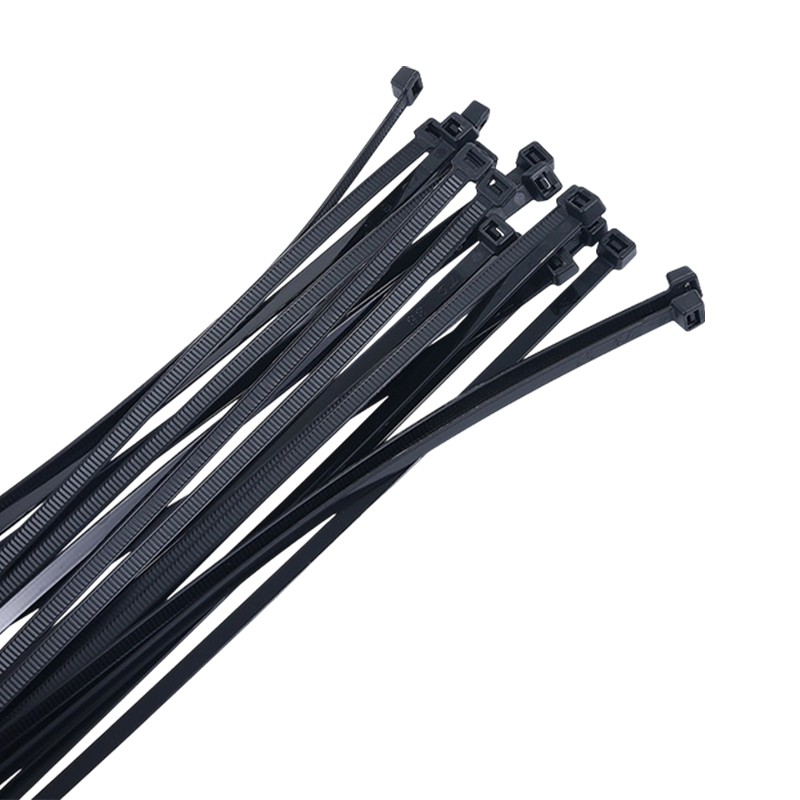
Nylon Cable Ties
Core Advantages
1. Self-Locking Design—The Tighter You Pull, the Stronger the Grip: Once the cable tie passes through the locking head, it automatically locks into place. The locking force increases in proportion to the pulling tension, ensuring it will not loosen on its own.
2. Releasable Design—Reusable and Efficient: Unlike traditional single-use self-locking ties, our releasable ties feature a locking head equipped with a release mechanism. A simple press allows the tie to be disengaged and reused multiple times, making it ideal for temporary bundling or applications requiring frequent adjustments.
3. UL94 V2 Flame Retardancy—Ensuring Electrical Safety: These flame-retardant nylon cable ties have passed the UL94 V2 vertical burn test, meaning they self-extinguish once removed from a flame source. They are suitable for electrical environments—such as power distribution cabinets and control boxes—where flame retardancy is a critical requirement. Certain models are available with a UL94 V0 rating.
4. Weather, Cold, and Heat Resistance—Superior Environmental Adaptability: Standard models operate within a temperature range of -20°C to +85°C. Weather-resistant (UV-resistant) models incorporate anti-UV additives, making them suitable for prolonged outdoor exposure. Cold-resistant models maintain their toughness and resist brittleness even at temperatures as low as -40°C, while heat-resistant models can withstand temperatures up to +120°C.
5. Smooth and Burr-Free—Protects Cables from Damage: Manufactured using precision molds, these high-quality cable ties feature smooth edges free of flash or burrs, ensuring they do not scratch the cable's insulation layer during bundling. The locking head features a rounded, ergonomic design to prevent sharp corners from cutting or injuring hands.
6. Color-Coding for Easy Management: In addition to standard black and white options, a wide variety of colors—including red, yellow, blue, green, orange, and purple—are available. These color options facilitate the differentiation of various circuits, voltage levels, or cable harness functions, enabling efficient and visually intuitive cable management. Material: Manufactured using imported Nylon 66 (NYLON66).
Fire Rating: UL 94V-2. Features excellent insulation properties and exceptional durability; resistant to aging and breakage.
Features: No sharp edges; designed with a textured tip for a secure finger grip; the tail of the cable tie features an easy-insertion design.
Colors: White, Black. Other colors are available upon request (custom order).
Certifications: UL (USA): E306674; CE (EU); RoHS (EU Environmental Compliance); REACH.
Performance: Superior quality. Once fastened, the tie remains secure and intact across a wide temperature range—from a static low of -40°C up to +85°C—without breaking or loosening.
Usage: Simply insert the tail of the cable tie through the head slot and pull to achieve a firm, secure lock. Can be used in conjunction with a cable tie tensioning tool for tightening and cutting.Production & Quality Control Capabilities
Core Materials: We utilize only pure, virgin Nylon 66 (PA66) raw materials; no recycled materials are used, ensuring maximum mechanical strength and weather resistance. Selected models incorporate functional additives to provide UV resistance, flame retardancy, and anti-static properties.
Molding Process: Precision injection molding is employed, utilizing molds with a tolerance of 0.01mm. This ensures smooth engagement between the locking head's pawl and the tie body's serrations, guaranteeing a reliable and secure lock.
Quality Testing: Every production batch undergoes rigorous testing, including tensile strength tests, thermal aging tests, low-temperature impact tests, and flame retardancy tests.
Material Certification: Our PA66 raw materials hold UL Yellow Card certification, and our finished products fully comply with RoHS and REACH environmental standards.
Customization Services: We offer full customization options for color, length, width, material composition (weather-resistant, cold-resistant, flame-retardant, anti-static), and the printing of logos or text to meet your specific requirements.We have specialized in the manufacturing of nylon cable ties for many years, and our products are ISO 9001 certified. We remain committed to using only pure, virgin PA66 raw materials (without any recycled content) to guarantee superior tensile strength and weather resistance. Our entire product line holds UL 94V-2 flame retardancy certification and has passed RoHS environmental compliance testing. We maintain ample stock of standard specifications, and we welcome custom orders for specific colors, printing, and specialized functional features. Free samples are available upon request, and we welcome factory inspections.
VIEW MORE
-
Stainless Steel Cable Ties
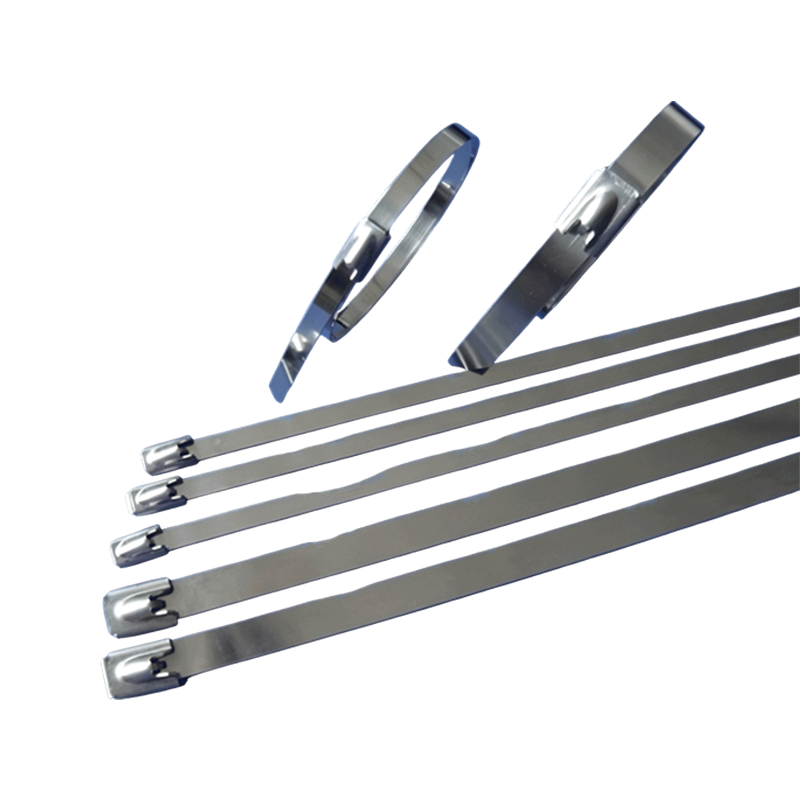
Stainless steel cable ties are metal fastening tools manufactured from stainless steel materials, primarily utilized for bundling cables and securing pipes in various harsh environments. Unlike nylon cable ties, stainless steel ties possess characteristics such as high-temperature resistance, chemical corrosion resistance, UV resistance, and fire retardancy, enabling them to perform stably over extended periods in severe operating conditions where nylon ties would be inadequate.
The core structure of a stainless steel cable tie consists of two main components: the strap body and the locking mechanism. The strap body is formed by stamping thin stainless steel strips, featuring a smooth surface and rounded edges. The locking mechanism offers various options—including self-locking buckles, beaded heads, and L-type clips—and is designed to be used in conjunction with a specialized tensioning tool to achieve rapid locking and high-tensile fastening.Key Advantages
1. High and Low-Temperature Resistance; Stability in Extreme Temperatures: Stainless steel cable ties can withstand an extreme temperature range spanning from -80°C to +538°C. Whether used for securing insulation on high-temperature exhaust pipes or for fastening outdoor equipment in frigid regions, their performance remains consistently stable and reliable.
2. Exceptional Corrosion Resistance; Selectable Material Grades: The corrosion resistance of stainless steel cable ties depends on the specific material grade:
201 Stainless Steel: High strength and low cost; suitable for light-duty bundling in indoor or dry environments.
304 Stainless Steel: Resistant to rainwater, humidity, and general outdoor conditions; the safest choice for most general-purpose applications.
316/316L Stainless Steel: Contains molybdenum; resistant to salt spray, seawater, and chemical corrosion; suitable for highly corrosive environments such as marine engineering and petrochemical facilities.
(High-quality products can withstand salt spray testing for over 1,000 hours.)
3. Ultra-High Tensile Strength: The tensile strength of stainless steel cable ties typically exceeds 600 MPa.
4. Self-Locking / Beaded-Head Designs; Reliable Anti-Loosening Performance: Self-locking cable ties feature a rapid-locking structure that makes installation quick and easy. Beaded cable ties incorporate a spherical protrusion at the locking end to enhance anti-loosening capabilities; they are particularly suitable for conditions involving continuous vibration or thermal expansion and contraction, offering superior reliability compared to flat-head structures.
5. Diverse Surface Treatments: Depending on the requirements of the specific application scenario, stainless steel cable ties can be categorized into three types:
* Stainless Steel Ties (Uncoated): Untreated surface, retaining the natural color of the stainless steel.
Coated Stainless Steel Ties: Surface coated with epoxy resin or other polymeric materials; offers enhanced corrosion resistance and facilitates color-coded management.
Plastic-Clad Stainless Steel Ties: Outer layer sheathed in PVC or PE material; features a flexible surface with no sharp edges, offering superior insulation and effective protection for cables and wires.
6. Fire-Resistant & Flame-Retardant; Halogen-Free & Eco-Friendly: The stainless steel material itself is non-combustible, meeting fire safety requirements. Furthermore, it is halogen-free and releases no toxic gases, thereby complying with environmental protection standards.Manufacturing & Quality Control Capabilities
Core Materials: Utilizes high-quality 201, 304, or 316 stainless steel strips with full material traceability.
Key Processes: Precision slitting and stamping, followed by edge deburring, ensuring the strap edges are smooth to the touch and will not damage cables or wires.
Surface Treatments: Natural Stainless Steel (Uncoated), Powder-Coated (Epoxy Resin), Plastic-Clad (PVC/PE).
Quality Testing: Tensile Strength Testing, Salt Spray Corrosion Testing, Thermal Cycling Testing.We have specialized in the manufacturing of stainless steel ties for many years, and our products are ISO 9001 certified. We are committed to using only high-quality stainless steel raw materials with full traceability. Our entire product range has successfully passed Salt Spray Testing (as well as Tensile Strength Testing). We maintain ample stock of standard specifications and offer customization services for non-standard requirements (including width, thickness, and coating color). We also provide free product samples and offer complimentary installation tools.
VIEW MORE
-
Waterproof Aviation Connector
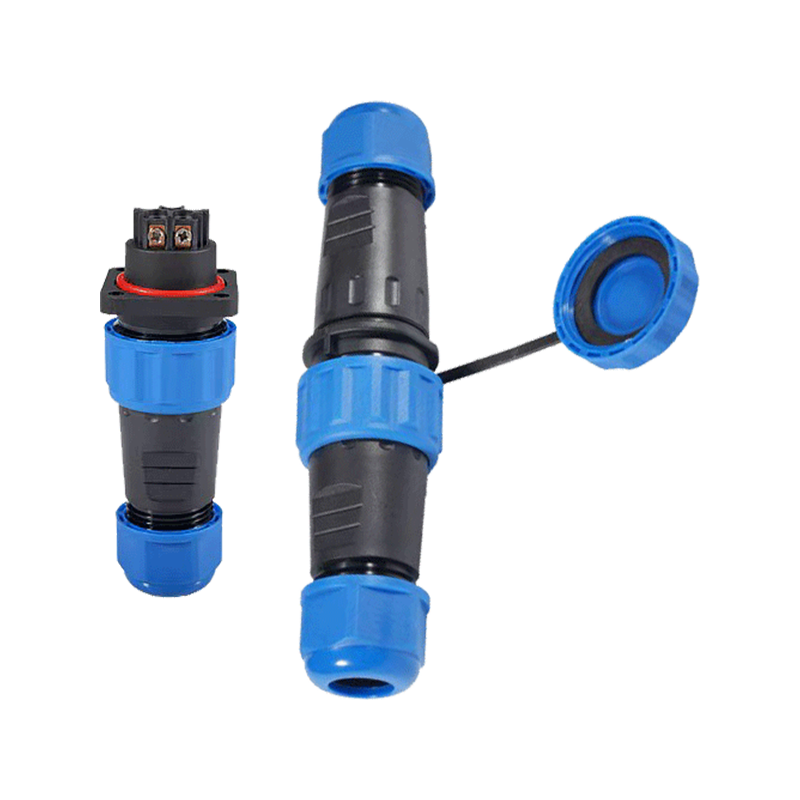
This product is a solder‑free waterproof aviation connector with IP68 ingress protection rating, available in 2 to 9 cores. It utilizes screw terminal connections – no soldering required, ensuring easy and reliable wiring. Multiple mounting options are supported: in‑line (cable‑to‑cable), flange (panel mount), and rear nut fixing, with a square housing design suitable for device panel mounting or cable interconnection.
Manufacturing process: Precision molding with integrated metal inserts, screw‑clamp terminals, and multiple sealing rings to achieve high‑level waterproofing.
Usage scenarios: Outdoor equipment, underwater lighting, marine electronics, security surveillance, industrial sensors, LED landscape lighting – ideal for damp or dusty environments.
Application fields: Industrial automation, marine engineering, renewable energy systems, stage lighting, telecommunication base stations, agricultural irrigation systems.
VIEW MORE
 Zhejiang Kaka Electric Co., Ltd. is a high-tech enterprise that integrates design,
R&D, production, marketing, and service. We specialize in providing high-quality
wiring accessories and plastic component solutions.
Zhejiang Kaka Electric Co., Ltd. is a high-tech enterprise that integrates design,
R&D, production, marketing, and service. We specialize in providing high-quality
wiring accessories and plastic component solutions.
Email:
798221118@qq.comSales003@kakcom.com
ADD:
No. 48, Xinguang Avenue, Xinguang Industrial Zone, Liushi Town, Yueqing City, Wenzhou City, Zhejiang Province, ChinaPhone:
+86-18005875181Contact US
Copyright © Zhejiang Kaka Electric Co., Ltd. All Rights
Reserved
